
Table of Contents
- Senior Discounts for Home Exterior Renovations: What’s Available
- Home Repair Grants for Seniors
- Residential Exterior Renovation Financing Options
- How to Vet Exterior Renovation Contractors
- Types of Exterior Modifications That Qualify for Senior Assistance
- Nonprofit Organizations and Local Resources for Senior Home Repairs
- Tax Implications and Financial Planning for Home Improvement Grants
- Conclusion
- Frequently Asked Questions
Last Updated: September 1, 2026
Senior Discounts for Home Exterior Renovations: What’s Available
Senior discounts for home exterior renovations can significantly reduce the cost of necessary repairs and improvements, making aging in place more feasible on a fixed income. Whether you’re dealing with fall prevention upgrades, accessibility modifications, or routine maintenance, several programs and resources exist to help you navigate financing options.
At EFER Renovations Inc., we understand the financial pressures seniors face when planning exterior home improvements. With over 13 years of experience serving homeowners across New Jersey and Eastern Pennsylvania, we’ve helped countless seniors access discounts and assistance programs that make these critical upgrades affordable. Federal grants, nonprofit organizations, and local resources now offer multiple pathways to fund exterior renovations. Understanding these options is the first step toward improving your home’s safety and durability without breaking the bank.
Home Repair Grants for Seniors
Home repair grants represent one of the most valuable resources for seniors on fixed incomes. Unlike loans, grants don’t require repayment, making them ideal for those with limited financial flexibility.
The U.S. Department of Agriculture (USDA) administers the Rural Housing Repair Grants program, which provides up to $40,000 in grants to low-income homeowners in rural areas for essential repairs including roof repairs, siding replacement, and accessibility modifications (usda.gov). State and local programs vary considerably, with many states operating their own home repair assistance initiatives specifically targeting seniors. Contact your state’s housing finance agency or local Area Agency on Aging to learn what’s available in your region.
Community Action Agencies operate in nearly every county and offer weatherization assistance and minor home repairs at little or no cost to eligible seniors. One common mistake is assuming you’re ineligible before checking, income thresholds for many programs are higher than seniors expect, and eligibility often considers household size rather than individual income alone.
Residential Exterior Renovation Financing Options
Beyond grants, several financing approaches can make exterior renovations more manageable.
Home Equity Lines of Credit (HELOC): If you own your home outright or have significant equity, a HELOC allows you to borrow against that equity at typically lower interest rates than personal loans. Your home serves as collateral, so default risk exists.
FHA 203(k) Loans: These specialized mortgages allow you to finance both home purchase and renovations together. Some lenders offer 203(k) refinancing options for existing homeowners, particularly useful for substantial exterior projects.
Property Assessed Clean Energy (PACE) Financing: PACE programs let you finance energy efficiency improvements through a special assessment on your property tax bill. Repayment happens through property taxes over 10-20 years, which can be advantageous if you plan to stay in your home long-term.
Senior-Specific Loan Programs: Some credit unions and community banks offer loans designed specifically for seniors, often with more flexible underwriting and lower rates. Always calculate the total amount you’ll repay, not just the monthly obligation.
How to Vet Exterior Renovation Contractors
Choosing the right contractor separates a successful project from a costly nightmare. For seniors, this decision carries extra weight.
Start with Credentials and Insurance: Verify that any contractor holds proper licensing for your state. Ask for proof of general liability insurance and workers’ compensation coverage. Never hire an uninsured contractor. Request references and check them thoroughly.
Get Multiple Estimates: Obtain written estimates from at least three contractors. Detailed estimates should break down labor, materials, timeline, and warranty information. Be wary of estimates significantly lower than others. The estimate should specify materials by brand and grade.
Check Online Reviews and Ratings: Look beyond the contractor’s website. Google reviews, the Better Business Bureau, and industry-specific sites provide unfiltered feedback. For EFER Renovations Inc., our 5.0 average rating from 73 Google reviews reflects our commitment to professionalism and quality workmanship.
Understand Warranty and Guarantees: Ask what the contractor warrants. Quality exterior work should include a workmanship warranty (typically 10 years) and material warranties from manufacturers. Get warranty terms in writing.
Verify Insurance Claims Experience: If your project involves insurance coverage, ask whether the contractor has experience working with insurance adjusters. They should understand the claims process and be willing to work directly with your insurance company.
Types of Exterior Modifications That Qualify for Senior Assistance
Not all exterior work qualifies for senior assistance programs. Understanding which modifications are eligible helps you prioritize projects and maximize available funding.
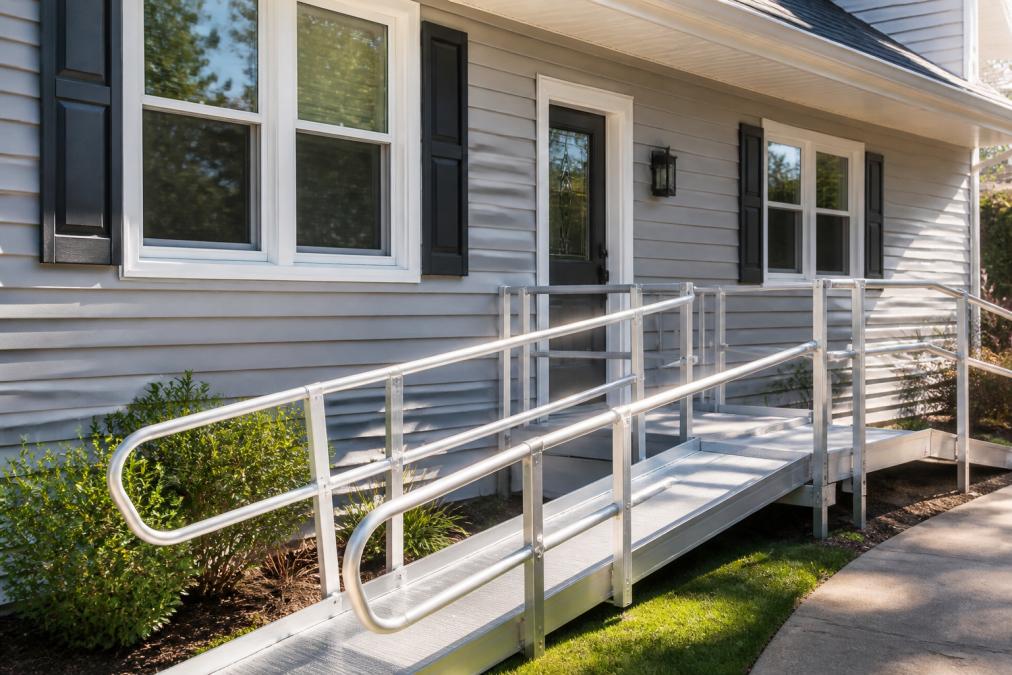
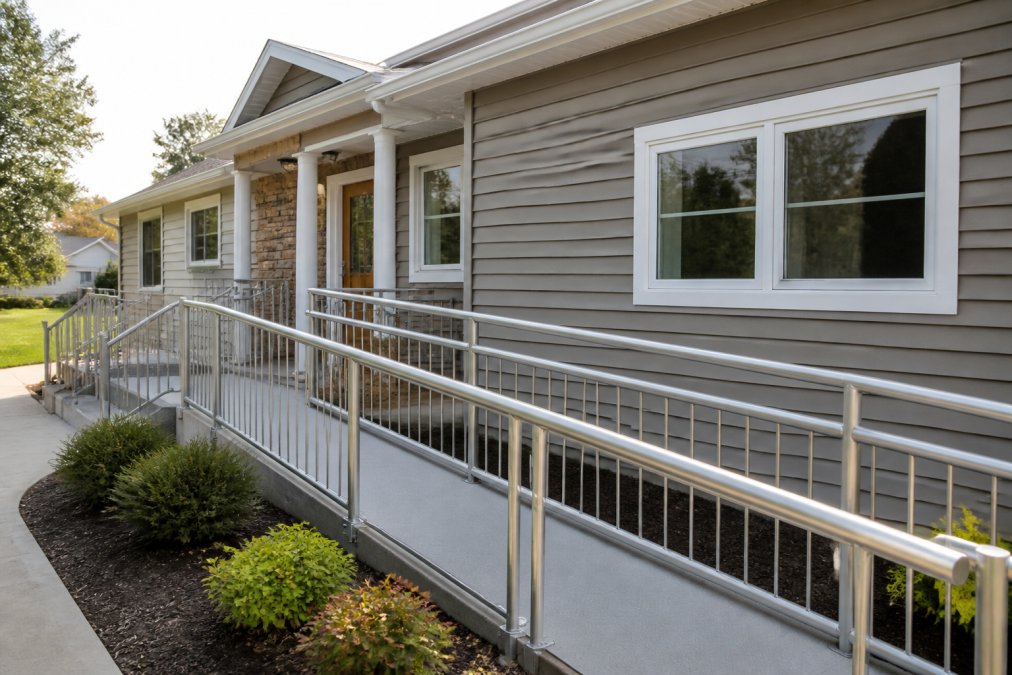
Fall Prevention and Accessibility Work: Ramps, handrails, improved lighting, and non-slip surfaces directly address senior safety. Most programs prioritize these modifications because they reduce injury risk and support aging in place.
Roof and Gutter Repairs: Roof leaks compromise home habitability and can lead to interior water damage. Most programs cover roof replacement or major repairs, as gutter installation protects the home’s structural integrity.
Siding and Exterior Wall Work: Damaged siding allows water infiltration and reduces energy efficiency. Siding replacement or repair usually qualifies for assistance programs.
Window and Door Replacement: Energy-efficient windows and doors reduce heating and cooling costs. Many programs cover window replacement as an energy efficiency improvement, and doors that improve accessibility typically qualify.
Deck and Porch Repairs: Deteriorating decks and porches pose safety hazards. Structural repairs and safety upgrades like handrail installation usually qualify.
When planning your project, frame it in terms of safety and habitability: “This ramp installation reduces fall risk” rather than focusing on cosmetic improvements.
Nonprofit Organizations and Local Resources for Senior Home Repairs
Nonprofit organizations fill critical gaps in senior home repair assistance.
Catholic Charities and Similar Faith-Based Organizations: Many faith-based nonprofits operate home repair programs specifically for seniors and low-income households, often providing volunteer labor to reduce overall project costs.
Rebuilding Together: This national nonprofit coordinates volunteer-led home repairs for low-income seniors and disabled individuals. Local chapters organize “Rebuild Day” events where volunteers complete multiple projects simultaneously.
Local Area Agencies on Aging: These government-funded organizations serve as clearinghouses for senior services and resources. Contact your local agency to learn about programs in your area. The Eldercare Locator service helps you find your local Area Agency on Aging.
Community Action Agencies: Operating in nearly every county, these nonprofits provide weatherization assistance and minor home repairs to low-income households.
Veterans Organizations: If you’re a military veteran, organizations like the Veterans of Foreign Wars and American Legion often sponsor home repair programs. EFER Renovations Inc. honors military service with a 10% senior and veteran discount on all exterior renovation projects.
Habitat for Humanity: Some Habitat chapters operate home repair programs for existing homeowners, with services varying by location.
Contacting your local Area Agency on Aging is a critical step many seniors skip. These organizations exist specifically to connect you with available resources and can unlock multiple funding sources.
Tax Implications and Financial Planning for Home Improvement Grants
Understanding the tax treatment of home improvement grants prevents unpleasant surprises at tax time.
Grants vs. Loans: Grants are generally not taxable income, while loans must be repaid and don’t trigger tax liability. Always clarify whether the assistance you receive is a grant or a loan.
Energy Efficiency Tax Credits: Certain exterior improvements qualify for federal tax credits. Energy-efficient windows, doors, and roofing materials may entitle you to a credit on your federal income tax return. The IRS provides guidance on energy-efficient home improvements. These credits directly reduce your tax liability dollar-for-dollar.
Property Value and Capital Gains: Home improvements increase your home’s basis, which can reduce capital gains taxes if you eventually sell. For most seniors, the primary residence exclusion shields gains from taxation. Consult a tax professional about your specific situation.
Documentation and Record-Keeping: Keep detailed records of all grants received, contractor invoices, and project documentation. Maintain receipts and correspondence with grant programs.
Some programs require you to stay in your home for a specified period after receiving assistance. If you move within five years, you might need to repay the grant. Review the terms carefully before accepting assistance.
Conclusion
Senior discounts for home exterior renovations and comprehensive assistance programs make aging in place affordable and achievable. Between federal grants, state programs, nonprofit resources, and contractor discounts, multiple pathways exist to fund necessary exterior work.
EFER Renovations Inc. has spent 13 years helping seniors navigate these programs while delivering quality work your home deserves. We offer a 10% senior and veteran discount on all exterior renovation projects, handle insurance claims assistance to maximize your coverage, and provide detailed estimates so you understand costs upfront. Contact EFER Renovations Inc. today for a free, no-obligation estimate on your exterior renovation project. Our GAF, Owens Corning, and IKO certified contractors will guide you through available assistance programs and financing options specific to your situation.
Frequently Asked Questions
Do contractors typically offer senior discounts for exterior work?
Yes, many contractors offer senior discounts for exterior renovations as part of their community support programs. EFER Renovations Inc., for example, provides a 10% discount for seniors and veterans on residential exterior projects including roofing, siding, windows, and deck installations. When requesting quotes, always ask about available senior discounts and verify the discount applies to your specific project scope.
What government grants are available for senior home repairs?
Several programs support senior home repairs. The Community Development Block Grant (CDBG) program, administered through local governments, funds home improvements for low-income seniors. The Weatherization Assistance Program helps with energy-efficient exterior upgrades. Additionally, the USDA Rural Repair and Renovation Grant assists eligible seniors in rural areas. Eligibility varies by location and income level, so contact your local Area Agency on Aging or county housing authority to learn which programs apply in your area.
How can seniors find legitimate financial assistance for home modifications?
Start by contacting your local Area Agency on Aging, which connects seniors with available programs and resources. The National Foundation for Credit Counseling offers free guidance on financing options. Research nonprofit organizations focused on aging in place and home modification assistance in your region. Always verify contractor credentials through the Better Business Bureau and check references before committing to any project. Request written estimates from multiple contractors to compare costs and discount eligibility.
What is the difference between a senior discount and a home repair grant?
A senior discount is a reduced price offered directly by a contractor, typically 10-15% off standard pricing. A home repair grant is financial assistance from government or nonprofit sources that you don’t have to repay. Grants often target low-income seniors and have specific eligibility criteria based on income, age, and property location. Discounts are easier to access but offer smaller savings, while grants provide larger funding but involve longer application processes and stricter requirements.
This article was written using GrandRanker