
Last Updated: November 1, 2026
Quick Summary
Hidden costs exterior renovation projects most often come from concealed rot and water damage behind siding, code-required upgrades triggered by the work, and access or restoration expenses left out of the original quote. Budgeting a contingency reserve before work starts helps absorb these surprises.
- Concealed structural damage, especially water-damaged sheathing and framing, is the most expensive surprise on most exterior projects.
- Permit fees, inspection fees, and code upgrades can apply even when the original damage was small.
- Scaffolding, lift rentals, and utility or fixture relocation are often excluded from the base quote.
- Scheduling a contingency reserve before work begins lets one unexpected problem avoid stopping the whole project.
- Read contractor estimate exclusions line by line, and ask who pays for permits and re-inspections.
Table of Contents
- Why Exterior Projects Produce Surprise Costs
- Concealed Structural Damage, Rot, and Water Intrusion
- Code Upgrades, Permits, and Inspection Fees
- Utility, Access, and Property Restoration Costs
- Building a Home Renovation Contingency Budget
- Reading Contractor Estimate Exclusions Before You Sign
- How to Handle an Exterior Renovation Change Order and Compare Contractor Quotes
- Scheduling Your Next Step With EFER Renovations Inc.
- Frequently Asked Questions
Why Exterior Projects Produce Surprise Costs
Exterior renovation work almost always uncovers something nobody planned for. The siding comes off, the sheathing is wet, and suddenly the job grows.
Hidden costs are expenses that appear after a project starts, not in the original quote. They are common because a home’s exterior hides its structure behind layers of material.
Here is what makes exterior work unpredictable:
- Walls hide moisture, rot, and pest damage behind intact-looking finishes
- Roofs and windows are often older than the surface they are part of
- Local rules can require upgrades to work that was never the problem
This is why a smart budget plans for surprises from the start.
Concealed Structural Damage, Rot, and Water Intrusion
Concealed damage is the most expensive surprise on most exterior projects. Water is the usual cause.
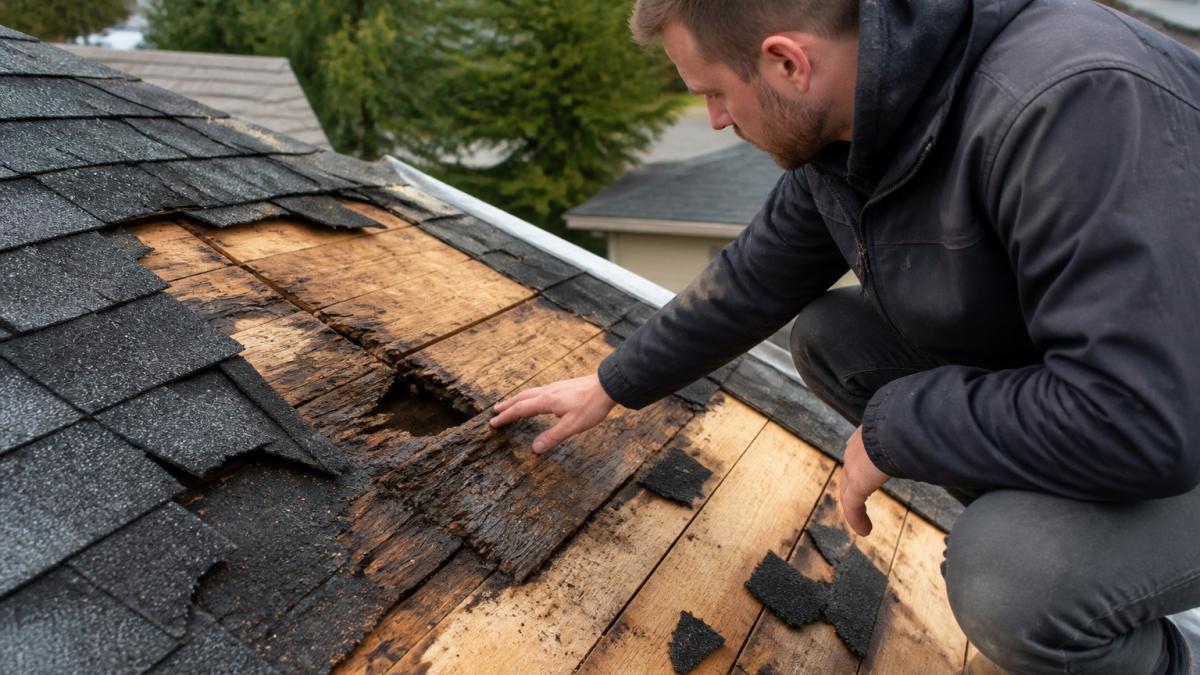
The clues are often subtle. Look for soft spots, peeling paint, staining, or a musty smell near the trim.
Common hidden problems include:
- Rotted sheathing under old siding
- Water-damaged window framing
- Insect damage in wood behind trim
Watch out: Covering damaged wood with new siding without fixing the moisture source can trap water and make the rot worse.
You can reduce surprises by inspecting exterior parts before you request a quote.
To check your own siding before a project starts, see our guide on how to inspect house siding for damage step by step. For the warning signs that siding needs replacing rather than patching, read signs you need new house siding. If you have already found water getting in, why you should fix roof leaks immediately explains why waiting usually makes the bill larger.
Code Upgrades, Permits, and Inspection Fees
Permits and code upgrades add cost that many homeowners don’t expect. A simple exterior repair can trigger a requirement to bring nearby work up to current standards.
Permits are usually required for structural work, roof replacement, and some window or door changes.
Watch for these code-related costs:
- Permit and plan review fees
- Inspection fees, sometimes charged more than once
- Upgrades such as flashing, ventilation, or fire-rated materials
Ask your contractor who pulls the permit and who pays for re-inspections. Local building departments can tell you which residential code edition your area enforces (Texas).
Utility, Access, and Property Restoration Costs
Exterior projects affect more than the walls. Work near the roofline, eaves, or foundation can disturb utility lines, lighting, and outdoor fixtures.
Access is the second layer of cost. Tall walls may need scaffolding or a lift.
Restoration is the last item people forget. After the work is done, you may need to replace landscaping, repair damaged walkways, or repaint nearby surfaces.
Access and equipment costs by project type
Cost drivers differ by the exterior system being replaced. The list below shows what commonly drives access and restoration cost for each, get local quotes for your property.
- Roofing: steep or tall roofs may require staging, roof jacks, or a lift; tear-off debris needs a dumpster placed close to the house, which can mean removing a fence section or protecting a driveway.
- Siding: scaffolding is common on two-story walls; removing shutters, lights, hose bibs, and downspouts adds labor, and reinstalling them is often excluded.
- Windows and doors: interior and exterior trim repair, temporary weather sealing, and re-painting around openings are frequent add-ons.
Utility and fixture disruptions
Work near the exterior can require temporary disconnection or relocation of outdoor lights, hose bibs, air-conditioning condensers, satellite dishes, and security cameras. Ask who is responsible for disconnecting and reconnecting each item, and whether an electrician or HVAC technician is needed. Those trade call-outs can be an added cost because they are not always part of the siding or roofing crew’s scope.
Property restoration after the crew leaves
Scaffolding, dumpsters, deliveries, and machinery compact soil and damage lawns, gardens, fences, driveways, and hardscaping. Restoration items to budget for include:
- Re-seeding or sodding lawns along equipment paths
- Replacing damaged shrubs or fencing
- Repairing cracked walkways or driveway edges
- Reinstalling removed lighting, house numbers, and mailboxes
Walk the property with your contractor before work starts and photograph existing conditions. That record makes it clear which damage is new and who pays for restoration.
Common access and restoration costs include:
- Scaffolding, ladders, or lift rentals
- Relocating outdoor lights, hose bibs, or AC units
- Protecting plants, patios, and driveways during work
- Repairing lawns and landscaping after equipment passes through
Weather, seasonality, and schedule delays
Weather is an exterior-specific cost driver that interior projects rarely face. Rain, snow, high wind, and temperature extremes can stop work, extend the schedule, and add labor, equipment, or temporary-cover costs. A few mechanisms to plan for:
- Temporary protection: tarps, house wrap, and temporary weather sealing to keep an open wall or roof dry between work days.
- Schedule slippage: crews may need to return after a storm, and re-mobilization can add trip charges.
- Seasonal demand: roofing and painting contractors are busiest in warmer months, so scheduling in peak season can mean higher prices or longer waits.
- Material limits: some sealants, paints, and adhesives require minimum temperatures to cure properly; installing outside those limits can void manufacturer warranties.
Ask your contractor how weather days are handled in the contract, whether they extend the schedule without penalty, and who pays for temporary protection. Building a weather allowance into the schedule and budget can help keep an exterior project from running over.
Building a Home Renovation Contingency Budget
A contingency fund is money set aside for unexpected costs. For exterior projects, it is one of the most effective ways to avoid stress when hidden issues appear. The right size depends on the age of the home, the scope of the work, and how much of the exterior is being opened up.
Older homes with unknown maintenance history usually need a larger buffer. Newer homes with recent inspections may need less. Use your inspection results and contractor notes to decide.
How much to set aside
A contingency reserve is often expressed as a percentage of the base contract price, scaled to risk. The ranges below are planning guides, not guarantees, confirm with your contractor and lender, and adjust for your property’s condition.
These percentages are a starting point.
Sample budget structure by project type
A contingency is easier to defend when you can see what it is protecting against. The sample structures below show the cost categories to include for common exterior projects. Fill in the amounts with local quotes.
- Roof replacement: base tear-off and install + decking repair allowance + dumpster and disposal + permit and inspection fees + flashing and ventilation upgrades + weather-day allowance.
- Siding replacement: base siding and labor + sheathing and framing repair allowance + trim and house wrap + scaffold or lift rental + paint or finish + landscaping restoration.
- Window and door replacement: unit and labor + framing and trim repair + flashing and sealing + interior and exterior finish repair + permit fees.
- Gutters and drainage: gutter and downspout material + underground drain repair + regrading near foundation + disposal.
A simple way to build your contingency budget
- Add up the base project cost from your estimate.
- Review the age and condition of the exterior.
- Choose a contingency percentage that matches the risk.
- Set that money aside before work starts.
- Track every change order against the fund.
The point of a contingency fund is not to predict the exact surprise. It is to make sure one surprise doesn’t stop the whole project. Keep the reserve in a separate account and release it only against written change orders.
Where the reserve usually gets spent
On exterior projects, contingency money most often goes to concealed structural damage, code-required upgrades triggered by the work, utility or fixture relocation, and weather-related schedule extensions. Reviewing those categories before work begins can help you decide how large a reserve your project needs.
Reading Contractor Estimate Exclusions Before You Sign
An estimate is only as useful as its exclusions. Many hidden costs come from work that was simply not included in the quote.
Look closely for items such as permit fees, disposal, structural repairs, painting, landscaping, and temporary access.
Questions to ask before signing:
- What happens if rot or damage is found behind the siding?
- Who pays for permits and re-inspections?
- Is debris removal included?
- Are landscaping and restoration part of the price?
If the exclusions list is long or vague, ask for a revised estimate. For guidance on finding dependable local contractors who write clear estimates, see finding reliable local exterior contractors.
Many hidden costs come from work that was never included in the quote, so check these common exclusions before signing.
| Item | Often excluded from quote | What to ask |
|---|---|---|
| Permit fees | Sometimes left out of base price | Who pays for permits and re-inspections? |
| Debris removal | Can be a separate line | Is disposal included? |
| Structural repairs | Found only after work starts | What if rot is found behind siding? |
| Painting | Often priced separately | Is painting part of the price? |
| Landscaping restoration | Usually not included | Is landscaping repair included? |
| Temporary access | Scaffolding may be billed apart | Is scaffolding or a lift included? |
How to Handle an Exterior Renovation Change Order and Compare Contractor Quotes
Change orders are written approvals for extra work. They are common on exterior projects, and each change should be described in writing before it is done.
When a change order arrives, ask three questions: What is the work? Why is it needed? What does it cost, and how long will it add? Request photos or inspection notes for hidden damage.
When comparing contractor quotes, don’t focus on the lowest number alone. Compare these items side by side:
- Scope of work and exclusions
- Permit and inspection responsibilities
- Warranty terms for labor and materials
- Payment schedule and change order process
Scheduling Your Next Step With EFER Renovations Inc.
Hidden costs are easier to manage when you know what to expect and who you are working with. EFER Renovations Inc. offers quick, no-obligation estimates for homeowners across New Jersey and Eastern Pennsylvania.
We also provide insurance claims assistance and 24/7 emergency support for storm damage.
Contact us today to schedule an inspection and get a clear, written estimate for your exterior project.
Frequently Asked Questions
What are the most common hidden costs in exterior home renovations?
The most common hidden costs include rotted sheathing or framing found once old siding or roofing is removed, water intrusion repairs, code-required upgrades such as flashing or ventilation changes, permit and inspection fees, and utility or access work like relocating gutters, meters, or landscaping. Each of these depends on what is discovered during the job, so the safest approach is to ask any contractor to list which items are included in the estimate and which are treated as additional work. Requesting a written scope that names these categories makes it easier to compare bids and anticipate where overruns may come from before work begins.
How much extra should I budget for unexpected renovation costs?
Many homeowners set aside a contingency fund as a percentage of the project total to cover surprises such as concealed damage or code upgrades. The right percentage depends on the age of the home, the scope of the exterior work, and how much of the building will be opened up during the project. Older homes with unknown repair histories generally call for a larger reserve than newer ones. Pricing varies widely by region and material choice, so request a written estimate from EFER Renovations Inc. on the website to determine a realistic figure for your property.
How do I compare exterior renovation estimates?
Compare estimates line by line rather than by total price. Check that each bid covers the same scope, materials, warranty terms, debris removal, permits, and cleanup. Look closely at exclusions and allowances, since a low bid may leave out items that another contractor includes. Ask each contractor how they handle concealed damage and what their process is for approving change orders. A clear, detailed written estimate is usually more useful than the lowest number on the page.
