
Last Updated: October 29, 2026
Quick Summary
Capitalizing commercial roof improvements means treating the work as a capital expense when it betters, restores, or adapts the roof rather than restoring it to prior condition. You can then accelerate the deduction with Section 179 or bonus depreciation, or depreciate it straight-line over 39 years.
- A repair keeps the roof working, while an improvement adds value or extends life and must be capitalized.
- Section 179 lets you deduct qualifying roofing work in the year the property is placed in service.
- Section 179 is capped by an annual dollar limit, a phase-out threshold, and taxable income.
- Bonus depreciation has no dollar cap and can create a loss, but its percentage phases down over time.
- Capitalized commercial roofs are depreciated straight-line over 39 years without acceleration.
Table of Contents
- How to Tell a Commercial Roof Replacement Capital Expense or Repair
- When a Commercial Roof Replacement Must Be Capitalized
- When Roof Repairs Can Be Expensed Immediately
- Using the $2,500 De Minimis Safe Harbor Rule
- How the Section 179 Deduction for Commercial Roofing Works
- Commercial Roof Depreciation Life and Recovery Periods
- Worked Examples: Immediate Deduction vs. Capitalization
- What Records to Keep for Commercial Roof Improvements
- Frequently Asked Questions
How to Tell a Commercial Roof Replacement Capital Expense or Repair
The difference between a deductible repair and a commercial roof improvements project you must capitalize comes down to one question: did the work restore the roof to its previous condition, or did it make the roof better, bigger, or longer-lasting? That distinction decides whether you write the cost off this year or spread it across decades.
The IRS draws the line in Treasury Regulation 1.162-4 on repairs and the capitalization rules under Section 263. A repair keeps the building working. An improvement, which the code treats as a capital expenditure, adds value or extends life. Get it wrong in either direction and you either overpay tax now or invite scrutiny later.
The Betterment, Restoration, and Adaptation Tests
Three tests decide the classification. A betterment fixes a defect or adds capacity the roof never had. Restoration applies when you replace a major component after the roof fell into disrepair. Adaptation covers changes that let the roof serve a new or different use.
If any one of the three triggers, you capitalize. A common mistake is assuming a full tear-off is always capital and a patch is always a repair. The scope matters more than the label on the work order. For a side-by-side look at the numbers, see our roof replacement vs roof repair cost comparison.
When a Commercial Roof Replacement Must Be Capitalized
A full commercial roof replacement capital expense or repair decision tips toward capitalization when the new roof is a betterment or restoration. Replace the entire membrane and insulation after years of leaks, and you have restored a major component that had deteriorated. That is a capital project.
The same holds when you upgrade to a higher-rated system or add a component the building did not have. You have increased the property’s value and extended its useful life, which is exactly what the code says to capitalize. For a deeper look at how warranties interact with that decision, see our guide to commercial roof warranties.
When Roof Repairs Can Be Expensed Immediately
Routine maintenance is deductible in the year you pay it. Patching a leak, resealing flashing, or replacing a handful of damaged shingles keeps the roof in working order without adding value. Those costs are ordinary and necessary business expenses under Section 162.
Timing matters here. A small leak fixed this week is a repair. The same leak ignored until the deck rots becomes a restoration project that gets capitalized. That is why we tell property managers to act on leaks fast, and our guide on why you should fix roof leaks immediately explains the cost of waiting.
Using the $2,500 De Minimis Safe Harbor Rule
| Work Type | Typical Treatment | Why |
|---|---|---|
| Leak patch, flashing reseal | Deductible repair | Restores prior condition |
| Full membrane tear-off | Capitalized | Restoration or betterment |
| Single item under safe harbor | Immediate deduction | Elected de minimis rule |
| Energy-efficient upgrade | Capitalized, possible incentive | Betterment plus credit |
How the Section 179 Deduction for Commercial Roofing Works
The Section 179 deduction for commercial roofing lets you elect to deduct the cost of qualifying capital improvements to a nonresidential building, including roofing work, in the year the property is placed in service, instead of recovering the cost over the 39-year nonresidential recovery period. For a property manager facing a six-figure roof project, that timing difference is the whole ballgame: a current-year deduction reduces this year’s taxable income, while depreciation spreads the benefit across decades.
What Qualifies
Section 179 applies to “section 179 property,” which includes tangible personal property and, importantly for roofs, qualified real property improvements to nonresidential buildings. Roofs are among the specifically listed qualified improvement categories, along with heating, ventilation, air conditioning, fire protection, alarms, and security systems. The work still has to be a capital improvement under the betterment, restoration, and adaptation tests, Section 179 changes when you deduct a capitalized cost, not whether the cost is capital in the first place. A leak patch that qualifies as a repair under Section 162 is deducted as a repair; Section 179 is irrelevant to it.
The Mechanics and the Limits
Three constraints shape how much Section 179 can actually deliver:
- Annual dollar limit. The deduction is capped at a statutory maximum that is adjusted for inflation each year. Confirm the current figure in the IRS instructions for Form 4562 before you plan around it, the number moves, and articles that quote a stale figure are worse than no figure.
- Investment phase-out. The maximum is reduced dollar-for-dollar once total qualifying property placed in service during the year exceeds a phase-out threshold. Large portfolios can phase the deduction out entirely.
- Taxable income limitation. Section 179 cannot create or increase a net operating loss. The deduction is limited to the taxpayer’s aggregate taxable income from active trades or businesses, and any disallowed amount carries forward.
Section 179 Versus Bonus Depreciation
Section 179 is not the only accelerator. Bonus depreciation under Section 168(k) allows an additional first-year deduction for qualifying property and, unlike Section 179, is not capped by a dollar limit or by taxable income, it can create a loss. The two interact: you generally apply bonus depreciation first, then Section 179 on any remaining cost, and you cannot claim both on the same dollar of basis. Qualified improvement property has been eligible for bonus depreciation, but the applicable bonus percentage is scheduled to phase down over time under current law, so the year a roof is placed in service matters enormously. A roof placed in service in a high-bonus year may be worth far more than the same roof placed in service later.
What This Means for a Roof Project
A capitalized roof replacement that qualifies as qualified improvement property can potentially be written off in the placed-in-service year through a combination of bonus depreciation and a Section 179 election, subject to the limits above. The practical sequence is: (1) confirm the work is a capital improvement, not a repair; (2) confirm the building is nonresidential and the work falls within a qualified category; (3) confirm the placed-in-service date; (4) run the numbers against the current-year limits with your tax advisor.
Because the limits, phase-outs, and bonus percentages change with legislation and inflation adjustments, treat any figure you see in a blog post, including this one, as a starting point to verify, not a plan.
Commercial Roof Depreciation Life and Recovery Periods
If you capitalize and cannot use Section 179 or bonus depreciation, you depreciate the roof over its recovery period. A commercial roof depreciation life generally falls under nonresidential real property, depreciated straight-line over 39 years. Residential rental property uses a shorter 27.5-year period, which is why the building’s use drives the number.
Partial Replacements and Component Accounting
A partial replacement raises a real question: do you capitalize the whole roof or just the component you replaced? Component accounting lets you treat a replaced section as its own asset, so you depreciate only that portion and avoid overstating the basis of the rest. Document which sections were replaced and when. Professional inspection reports make that documentation easier, as covered in our benefits of professional roof inspection guide.
Worked Examples: Immediate Deduction vs. Capitalization
Most articles tell you that capitalization spreads the deduction over time. Few show what that actually costs in cash flow. The two examples below use transparent, round-number assumptions so you can substitute your own figures. They are illustrative only, not tax advice, and not a prediction of your outcome.
Example 1: A Repair Deducted Immediately
A 40,000-square-foot warehouse develops a leak at a roof penetration. The crew reseals the flashing, replaces two damaged panels, and re-caulks the curb. Invoice: $8,500. The work restores the roof to its prior condition, adds no capacity, and does not extend the roof’s useful life. It is an ordinary and necessary repair under Section 162.
- Deduction year: the year paid.
- Tax benefit at a 24% effective rate: roughly $2,040 in the first year.
- Remaining basis to depreciate: $0.
Example 2: A Capitalized Partial Replacement
Same building, different scope. The leak has rotted the deck across a 10,000-square-foot section. The crew tears off the membrane and insulation, replaces the deck, and installs a new membrane and insulation over that section. Invoice: $185,000. The work restores a major component after disrepair and improves the thermal performance of that section, restoration and betterment. It is capitalized.
Without acceleration, the cost is recovered straight-line over 39 years under the mid-month convention.
That gap is the reason Section 179 and bonus depreciation matter. When you are ready to move forward, our list of the best roofing contractors serving Eastern PA can help you find a qualified team.
Side-by-Side Summary
| Item | Repair (Example 1) | Capitalized Replacement (Example 2) |
|---|---|---|
| Invoice | $8,500 | $185,000 |
| Treatment | Immediate deduction | Capitalized, 39-year recovery |
| First-year deduction (no acceleration) | $8,500 | ~$2,400 |
| First-year tax benefit at 24% | ~$2,040 | ~$575 |
| Potential acceleration | Not applicable | Section 179 / bonus depreciation, if eligible |
What Records to Keep for Commercial Roof Improvements
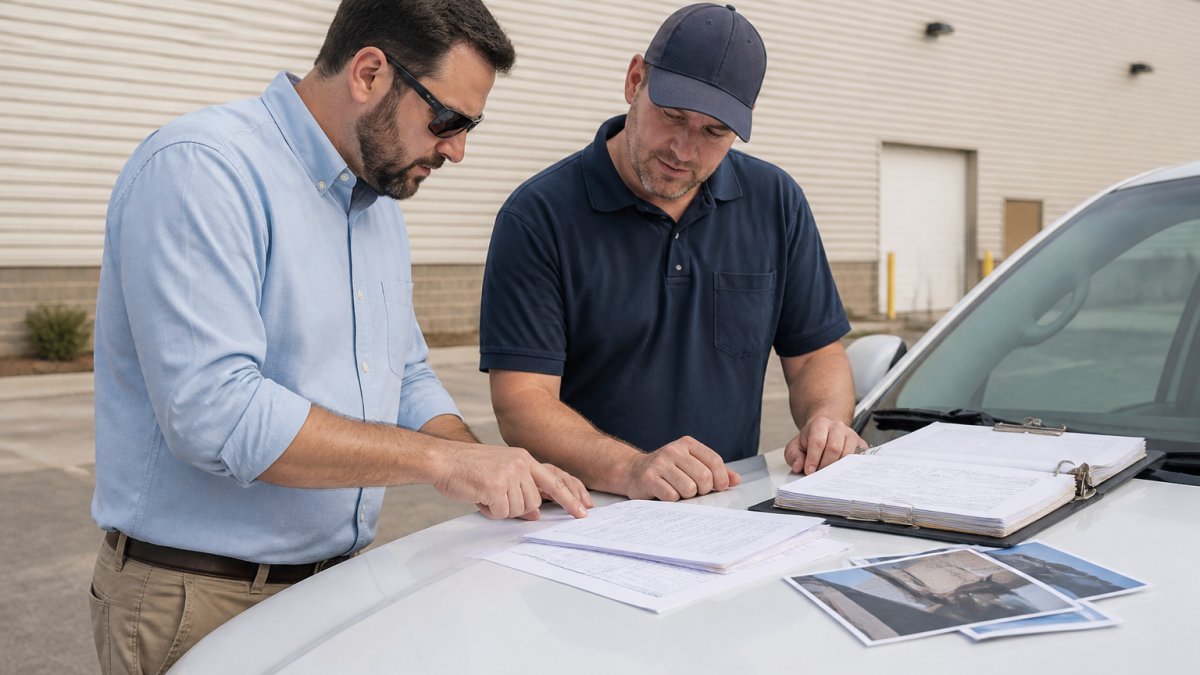
The hardest part of capitalizing commercial roof improvements is not the accounting. It is knowing, before the crew arrives, whether the job will be a repair or a capital project, because that decision shapes your cash flow for years. At EFER Renovations Inc., we help property managers read the scope correctly from the first inspection, with 24/7 emergency support, insurance claims assistance, and a 10-year workmanship warranty behind every job. Get started with EFER Renovations Inc. and classify your next roof project with confidence.
Frequently Asked Questions
Can you capitalize a roof repair?
Usually not. Under Internal Revenue Code Section 162, routine roof repairs that keep the building in its ordinary working condition are deductible as ordinary and necessary business expenses in the year paid. Capitalization applies when the work is a capital improvement: it betters the property, restores it to a like-new condition, or adapts it to a new use under Section 263. A patch, a leak fix, or replacing a few damaged shingles is typically a repair. A full tear-off and replacement is typically capitalized.
What is the $2,500 de minimis safe harbor rule for commercial roofing costs?
The de minimis safe harbor lets a business deduct certain low-cost items instead of capitalizing them. For taxpayers without an applicable financial statement, the threshold is $2,500 per invoice or item. For taxpayers with an applicable financial statement, it is $5,000. To use it, you must have accounting procedures in place at the start of the tax year and keep the invoice documentation. It can cover small roofing components, but it will not cover a full commercial roof replacement.
How long do you depreciate a commercial roof improvement?
Capitalized commercial roof improvements are generally depreciated as nonresidential real property using the Modified Accelerated Cost Recovery System (MACRS). Nonresidential real property has a 39-year recovery period under the straight-line method. Residential rental property uses 27.5 years. Qualified improvement property placed in service may be eligible for a shorter recovery period, but a roof itself is usually treated as part of the building structure, so confirm the classification with a tax professional before filing.
Can Section 179 apply to commercial roofing projects?
Section 179 generally applies to qualifying tangible personal property and certain improvements to nonresidential real property, such as roofs, HVAC, fire protection, and alarm systems, when the improvements are made to the interior of the building. A full roof replacement on a commercial building can qualify under the qualified real property rules, but there are dollar limits and business income limits. Bonus depreciation and Section 179 rules change, so verify the current limits and eligibility with a CPA before claiming the deduction.
