
Last Updated: October 29, 2026
Quick Summary
For most historic homes, the right window glass is the least invasive option that meets your performance goal and clears local review. If the sash is sound, restore the original glass and add storm windows. Replace glass only when panes are broken or the sash has failed, and confirm approval before ordering any window glass.
- Inspect each window in person and sort it as sound, marginal, or failed before choosing glass.
- Restore original panes with fresh glazing putty when the sash is solid and the glass is intact.
- Storm windows add comfort and are often approved more readily than full replacement.
- Heavy insulated units can overload old sash cords and hinges, so confirm the weight first.
- Compare U-factor, SHGC, visible transmittance, and air leakage for every glazing option quoted.
Table of Contents
- Assessing Whether Your Original Windows Can Be Repaired or Should Be Replaced
- Recognizing Original Wavy and Handmade Glass Before You Remove Anything
- Understanding Historic Preservation Window Requirements in Your Area
- Choosing Between Single-Pane, Restored and Double-Pane Glass
- Improving Energy Efficiency Without Losing Historic Appearance
- Comparing Restoration and Replacement Costs Over the Life of the Window
- Scheduling Your Glass Upgrade With EFER Renovations Inc.
- Frequently Asked Questions
Assessing Whether Your Original Windows Can Be Repaired or Should Be Replaced
Before you pick any window glass, decide whether the window should be repaired at all.
Start with a walk-through. Check the sash, frame, sill, and glazing putty.
Look for these signs that a window may need replacing:
- Soft or spongy wood in the sash, frame, or sill
- Glass that is cracked through, not just chipped at the edge
- Sashes that no longer close or lock properly, even after adjustment
- Visible gaps where air or water moves through the frame
- Insect damage or large areas of missing wood
Watch out: Do not assume a window is beyond saving just because it looks rough.
Learn more about what professional inspections check for on our guide to how to prepare windows for a home inspection.
Recognizing Original Wavy and Handmade Glass Before You Remove Anything
Original glass in older homes is often wavy, uneven, or slightly thick.
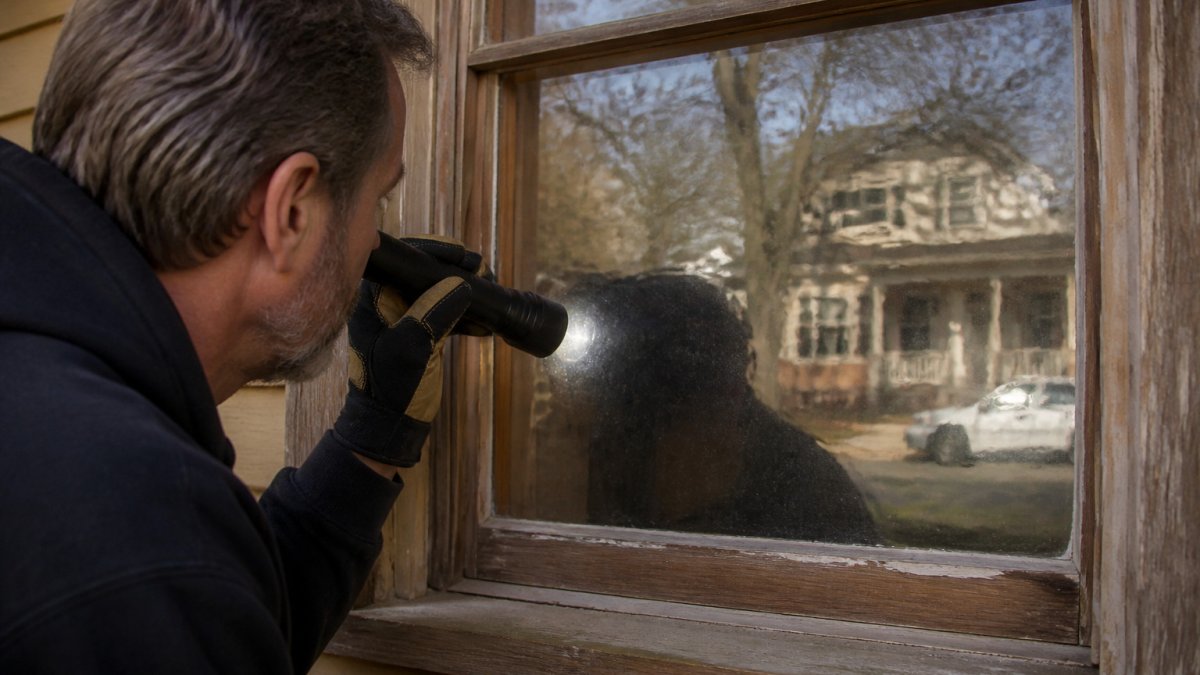
Before removing any sash, hold a flashlight at a low angle against the pane.
Here is what to look for:
- Ripples or waves that change the view through the glass
- Small bubbles or seeds trapped inside the pane
- Slight thickness differences when you check the edges
- Uneven surfaces that catch light in patches
Save any original window glass you can, even if you plan to replace the sash.
Watch out: Removing old glass can crack it, and broken pieces cannot be replaced with exact matches. Handle every pane carefully and label each one by its window.
Understanding Historic Preservation Window Requirements in Your Area
Many historic homes sit inside a designated historic district or landmark area, where window changes may need approval before work begins.
Local reviews often focus on:
- Whether the original window style and profile stay visible from the street
- Whether muntins, sash dividers, and proportions match the home’s period
- Whether the glass type changes the appearance of the facade
Federal guidance also matters for some properties.
Also check your building code requirements. Energy code rules for windows can apply during a renovation, and some jurisdictions require specific glazing performance in certain cases.
Contact your local building department before ordering any glass.
Choosing Between Single-Pane, Restored and Double-Pane Glass
Most historic-window decisions come down to four glass paths: keep and restore the original single pane, source salvaged antique glass, install a thin insulated unit in the existing sash, or replace the whole window with a period-appropriate unit. The right path depends on the condition of the sash and frame, your performance goal, and what your local preservation review will approve, work through them in that order.
Step 1: Score the existing window
Inspect each window and sort it into one of three condition tiers:
- Sound: Sash and frame are solid, putty is failing but wood is firm, glass is intact. Restoration is almost always the best value here.
- Marginal: Some soft wood at the sill or lower rail, a cracked pane, or a sash that binds. Repair plus reglazing is usually still cheaper than replacement, but budget for wood epoxy or a dutchman repair.
- Failed: Rot through the sash stiles, failed joinery, or multiple broken panes. Replacement or a full sash rebuild is the realistic option.
Confirm with an in-person inspection rather than a photo.
Step 2: Match the glass path to your goal
Use this decision tree:
- Is the original glass intact and is strict authenticity the priority? Restore it, reset the panes in fresh glazing putty, repair the sash, and add interior storm windows for comfort. This path is most likely to clear historic review without conditions.
- Is the original glass broken or missing but the sash sound? Source salvaged antique glass from an architectural salvage yard or a glass specialist who stocks period panes. Match thickness and tint as closely as possible; hand-made glass varies, so order extra.
- Is the sash sound but comfort or condensation the main complaint? Consider a thin insulated glass unit (IGU) built to fit the existing sash rebate. Weight and rebate depth must be confirmed before ordering.
- Is the sash failed or the frame rotted? Replace with a period-appropriate unit, a custom wood sash matched to the original profile or a high-performance unit with a simulated divided light. This is the most expensive path and the one most likely to need preservation approval.
Step 3: Check what your review will allow
Before ordering anything, confirm whether your local historic commission or building department permits insulated glass, simulated divided lights, or full-unit replacement. Some districts require single-pane glass and true divided lights on street-facing facades; others allow thin IGUs if the profile matches. Get the answer in writing.
Heavy insulated units can overload old sash cords, pulleys, and hinges. Ask your installer to confirm the weight of the new unit against the existing sash hardware before the glass is ordered, a sash that will not stay up is a common and avoidable failure.
Quick comparison
- Restored original single pane: highest authenticity, lowest material cost, weakest thermal performance, needs storm windows for comfort.
- Salvaged antique glass: preserves wavy character, limited supply, requires careful handling and extra panes.
- Thin IGU in existing sash: better comfort and condensation control, moderate cost, approval-dependent, weight-sensitive.
- Full period-appropriate replacement: best performance and lowest maintenance, highest cost, most likely to require review.
Choose the least invasive path that meets your performance goal and clears your local review. For most sound or marginal windows, that means restore the original glass and add storm windows rather than replace.
The four glass paths compare as follows, based on authenticity, cost, performance and approval requirements.
| Glass path | Best for | Key difference |
|---|---|---|
| Restored original single pane | Strict authenticity | Highest authenticity, weakest thermal performance |
| Salvaged antique glass | Preserving wavy character | Limited supply, needs careful handling |
| Thin IGU in existing sash | Comfort and condensation | Approval-dependent, weight-sensitive |
| Full period-appropriate replacement | Best performance, low maintenance | Highest cost, most likely to need review |
Improving Energy Efficiency Without Losing Historic Appearance
Energy upgrades on historic windows work best when you separate the two jobs glass does: stopping heat flow and stopping air flow. Glass choices affect the first; weatherstripping, storm windows, and sash repair affect the second.
The performance numbers that matter
When you compare glazing options, ask for these specifications:
- U-factor: the rate of heat loss through the assembly. Lower is better. Ask each contractor to state the U-factor of the glazing they propose.
- Solar heat gain coefficient (SHGC): the fraction of solar heat that passes through. Lower SHGC reduces summer cooling load but can also reduce useful winter solar gain, a real trade-off in cold climates where south-facing windows contribute heat.
- Visible transmittance (VT): how much daylight passes through. Low-e coatings and multiple panes reduce VT; if daylight and the look of clear glass matter, compare VT before choosing a coated product.
- Air leakage: measured in cubic feet per minute per square foot of frame area at a given pressure difference. This is where weatherstripping and sash repair pay off most.
Ask each contractor for the U-factor, SHGC, VT, and air-leakage rating of every glazing option they quote, plus the same numbers for the existing window. Without those four figures you cannot compare options fairly.
What each upgrade actually does
- Weatherstripping and sash tuning: seals gaps around the sash and frame. Lowest cost, biggest comfort gain per dollar in most homes, and reversible.
- Glazing putty replacement: stops air and water at the glass edge and protects the sash from rot. Do this before adding storms.
- Exterior or interior storm windows: adds a trapped air layer and a second barrier against air leakage. Many preservation boards approve them more readily than replacement. Low-e storm panels are available and can improve U-factor further.
- Thin insulated glass units: improve U-factor and reduce condensation on the room-side pane, but add weight and may be restricted by local review.
- Full replacement with a high-performance unit: best overall performance and lowest maintenance, highest cost, and most likely to require preservation approval.
Set realistic expectations
Glass and storm upgrades improve comfort and reduce heat loss at the window, but they do not fix an under-insulated wall, a leaky attic, or a poorly sealed basement. Air sealing and storm windows are commonly discussed as sources of comfort improvement, but results vary by home. Ask an energy auditor or qualified contractor to assess the whole envelope before committing to a glazing package.
Fix air leakage first, add storm windows second, and choose glazing last, and always compare U-factor, SHGC, VT, and air leakage side by side before ordering.
Comparing Restoration and Replacement Costs Over the Life of the Window
Cost depends on window size, glass type, damage, and local labor rates. Ask for written quotes that break down each option.
When comparing options, look at the full life of the window, not just the upfront price:
- Restoration may cost less at first and last for decades with care
- Replacement may cost more upfront but reduce drafts and maintenance
- Storm windows add comfort at a lower price than full replacement
- Custom glass for historic sash can add cost but may preserve appearance
Ask each contractor how long their work should last and what maintenance it needs.
For current pricing, contact EFER Renovations Inc. directly for a no-obligation estimate that reflects your home’s specific windows.
EFER Renovations Inc. can also walk through restoration and replacement options for each window in your home.
Scheduling Your Glass Upgrade With EFER Renovations Inc.
Once you choose your approach, plan the work before the weather turns.
Here is a simple planning checklist:
- Confirm whether your home is in a historic district
- Get written approval if your local board requires it
- Inspect each window for rot, cracks, and sash condition
- Save and label any original glass you want to keep
- Request written estimates for restoration and replacement options
EFER Renovations Inc. serves homeowners across New Jersey and Eastern Pennsylvania and offers quick, no-obligation estimates.
Ready to plan the work? Our guide on how to prepare your home for window replacement covers the steps to take before the crew arrives.
Contact Us Today to schedule your estimate and talk through the right glass choice for your historic home.
Frequently Asked Questions
Should you keep the original glass in historic windows?
In most cases, yes, if the glass is intact and the sash can be repaired. Original wavy or handmade glass contributes to the look that makes a historic home distinctive, and it is often difficult to match with modern float glass. Keeping it also aligns with many historic preservation review standards, which generally favor retaining original materials. Replace only panes that are cracked, failing, or beyond repair, and document the reasons before removing anything. If the original glass cannot be kept, a restoration-grade reproduction can preserve much of the visual character.
What type of glass is best for historic home windows?
The best choice depends on whether your priority is authenticity, performance, or a balance of both. For visual fidelity, original or reproduction antique glass with slight waviness is preferred. For energy performance, a laminated or low-emissivity coated glass placed in a restored sash can improve comfort without changing the exterior look much. Single-pane restoration glass suits homeowners focused on appearance. Insulated units with thin profiles can work in many sashes but may show reflections that change the appearance. Compare options in person before ordering.
Is double-pane glass suitable for historic windows?
Double-pane glass can be suitable for historic windows when the sash, muntins, and frame can support the added weight and thickness, and when the glazing change is approved by your local historic commission if one applies. Thin insulated units are often the best fit for older sash designs. Some homeowners instead choose storm windows, which keep the original glass in place while adding an insulating layer. Ask for the unit’s thickness and visible reflectivity before committing, since these affect appearance more than energy numbers alone.
